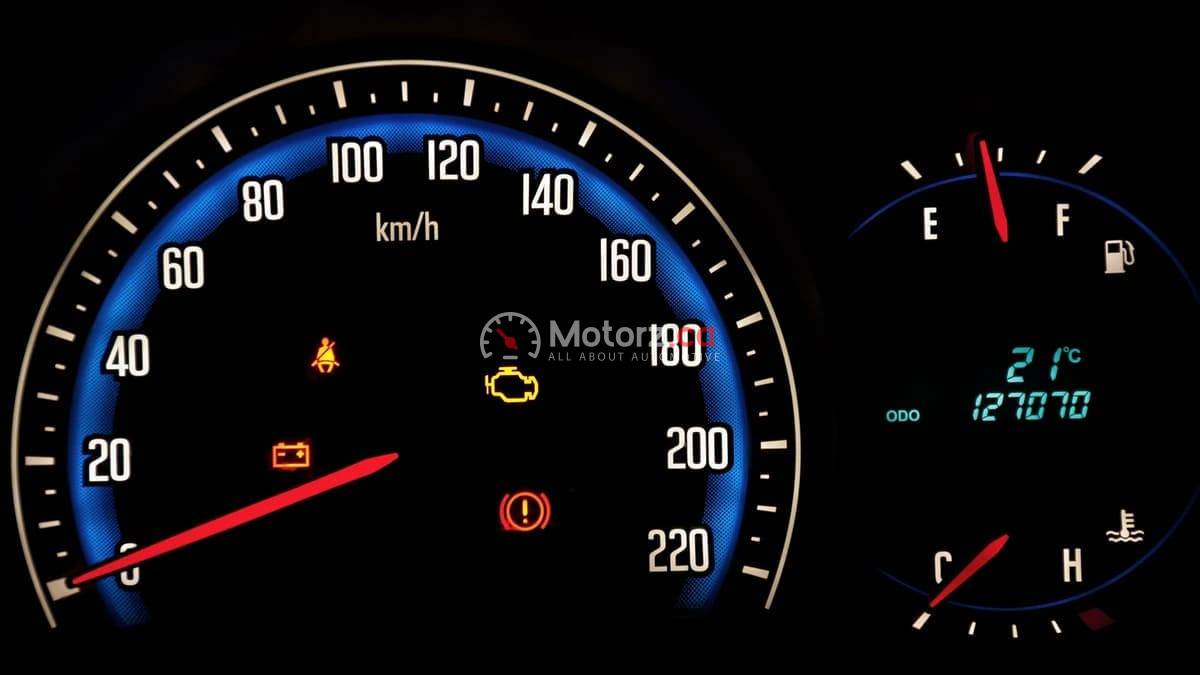
We have all been there. You are Automotive Detective a quiet road when you hear it—a faint, rhythmic ticking that wasn’t there yesterday. Or perhaps, every time you turn the steering wheel to the left, your radio volume dips, or your cabin lights flicker. These are the “ghosts in the machine,” the strange car issues that don’t always trigger a Check Engine light but leave you feeling uneasy every time you climb into the driver’s seat.
In the world of “The Corner Wrench,” these mysterious symptoms are often the most rewarding to solve, provided you have a systematic approach. In 2026, cars are more like rolling supercomputers than simple mechanical tools. This means a “strange noise” could be a mechanical bearing, but it could also be a software glitch or a loose ground wire.
At Motorz, we believe that every driver has the potential to be an automotive detective. Today, Lorraine Explains how to decode the weirdest symptoms your car can throw at you, from phantom smells to rhythmic vibrations, and how to tell the difference between a simple DIY fix and a looming mechanical disaster.
Decoding Automotive Detective: The Language of Metal
Your car is constantly talking to you. When something goes wrong, the sound it makes is often a direct clue to the location of the fault.
The Rhythmic Squeak or Chirp
If you hear a high-pitched chirping that speeds up as you accelerate, you are likely listening to a worn serpentine belt or a failing pulley bearing. In the winter, belts can become brittle and slip. If the noise disappears once the engine is warm, the belt is likely glazed and needs replacement. If it persists, a pulley—like the alternator or AC compressor pulley—might be seizing.
The “Click-Click-Click” During Turns
Does your car sound like a deck of cards being shuffled when you pull into a parking spot? This is the classic symptom of a failing CV (Constant Velocity) axle. The rubber boot protecting the joint has likely torn, allowing grease to escape and dirt to enter. If caught early, you can replace the boot; if you wait until the clicking starts, the entire axle usually needs to be swapped.
Hissing Under the Hood
A hissing sound, especially after you turn the engine off, usually indicates a leak. If it smells sweet (like maple syrup), it is coolant escaping from a pressurized hose or the radiator. If there is no smell, it might be a vacuum leak, which can cause your engine to idle roughly or stall at stoplights.
The Mystery of Phantom Smells
Your nose is one of your best diagnostic tools. Different automotive fluids have very distinct chemical “signatures” when they get hot.
The “Rotten Egg” Odor
If your exhaust smells like sulfur or rotten eggs, your catalytic converter is likely struggling. This often happens because the engine is running “rich” (too much fuel), which causes the converter to overheat as it tries to process the excess hydrocarbons. It is a sign that you need to check your oxygen sensors or spark plugs before you destroy an expensive exhaust component.
The “Gym Locker” or Musty Smell
This is a common issue in humid climates or after a long winter. It usually indicates mold or mildew growth on the AC evaporator core.
The Fix: Replace your cabin air filter and use a specialized automotive disinfectant spray in the intake vents. To prevent this, turn off your AC but keep the fan running for the last two minutes of your drive to dry out the system.
The “Burning Oil” Aroma
If you smell hot oil but don’t see a leak on the ground, the oil is likely dripping onto a hot exhaust manifold. Common culprits include a leaking valve cover gasket or an oil pressure sensor. Even a tiny drop of oil can create a massive amount of smell when it hits a 400-unit pipe.
Electrical Gremlins and Strange Dashboard Behavior
Modern cars in 2026 rely on a “CAN-bus” system—a communication network where every part talks to the others. When one part “stutters,” the symptoms can be bizarre.
The “Poltergeist” Electronics
If your windshield wipers turn on when you hit the horn, or your door locks cycle on their own, you likely have a bad ground connection. Cars use the metal frame as a return path for electricity. If a ground wire is rusted or loose, the electricity will try to find a different path back to the battery, “backfeeding” through other circuits and causing them to activate randomly.
Dimming Lights Under Load
If your headlights dim every time you use the power windows or when the heater fan kicks on, your alternator is likely struggling to keep up with the electrical demand. It might also be a sign that your battery is near the end of its life and is acting as a “parasitic load” rather than a reservoir of power.
Vibrations: Feeling the Fault
Where you feel a vibration tells you exactly where to look for the problem.
Vibrations in the Steering Wheel
If the steering wheel shakes at highway speeds (usually between 80 and 110 kilometers per hour), your front wheels are likely out of balance. This can happen if a small lead weight falls off the rim or if you have a “flat spot” from a locked-up braking event. If it only shakes when you hit the brakes, your brake rotors are likely warped and need to be “turned” or replaced.
Vibrations in the Seat
If you feel the “buzz” in your seat rather than the wheel, the issue is typically in the rear of the vehicle. This could be a rear wheel out of balance, a shifted belt in a rear tire, or even a worn-out universal joint (U-joint) in a rear-wheel-drive driveshaft.
The “Death Wobble” or Shudder
A violent shaking when hitting a bump (common in trucks and SUVs) usually points to worn suspension bushings or a failing steering damper. This is a safety issue that needs immediate attention at “The Corner Wrench,” as it can lead to a loss of steering control.
How to Approach the Unknown
When your car starts acting “strange,” don’t let it overwhelm you. Use the Motorz Detective Framework to narrow it down:
Observe the Conditions: Does it happen when the engine is cold or hot? Does it happen at a specific speed? Does it change when you turn the AC on?
Check the Basics: 80 percent of “strange” issues are caused by low fluids, loose gas caps, or old batteries.
Use Your Senses: Listen for the pitch, smell for the chemical, and feel for the location of the vibration.
Scan for Codes: Even if the light isn’t on, “pending” codes in the car’s computer can point you to a sensor that is starting to fail.
Keep a Log: Recording when the issue happens helps your mechanic find the “needle in the haystack” much faster.
At Motorz, we know that a car is more than just a machine; it is a complex system that requires a little bit of intuition to maintain. By paying attention to these strange signals early, you can solve minor issues before they become major expenses. Stay curious, stay observant, and keep those ghosts out of your machine.