For decades, the Modern Air that curved piece of plastic sitting on the hood of your truck or above your side windows—was a simple, undisputed hero of the road. It promised to keep bugs off the windshield, rain out of the cabin, and improve the fuel economy of heavy-duty rigs. It was a staple of the “Corner Wrench” lifestyle: a cheap, effective, and easy-to-install upgrade that offered immediate results.
But as we move through 2026, something has changed. The automotive landscape has shifted toward ultra-complex aerodynamics, electric vehicle (EV) efficiency, and advanced sensor integration. What used to be a helpful accessory is increasingly becoming a liability. From wind noise issues to “phantom” sensor triggers, the air deflectors of today aren’t quite living up to the legacy of the past.
In this deep dive, we are exploring the friction between old-school accessories and modern engineering. Whether you are a truck enthusiast or an EV early adopter, understanding the “why” behind modern deflector failures is essential for maintaining your vehicle’s performance and safety.
The Engineering Conflict: Modern Air Aerodynamics vs. Add-ons
In the past, cars and trucks were essentially electric vehicle moving through the air. Adding a deflector was a net gain because the vehicle was already aerodynamically “dirty.” Today, vehicles are designed using supercomputers and thousands of hours in wind tunnels to achieve the lowest possible drag coefficient.
Disrupting the “Laminar Flow”
Modern cars rely on a specific type of airflow called Laminar Flow, where air hugs the body of the vehicle to minimize resistance. When you clip an aftermarket deflector onto the hood or window frame, you create turbulence. Instead of the air flowing smoothly over the roof, it “breaks” and creates a vortex. For internal combustion cars, this can lead to a slight drop in fuel economy; for EVs, it can result in a significant range penalty.
The Problem with Weight and Downforce
Many modern deflectors are designed for aesthetics rather than physics. If a hood deflector isn’t angled perfectly, it can actually create lift at highway speeds, making the front end feel “light” or less responsive. In 2026, where steering sensors are more sensitive than ever, this subtle change in aerodynamics can interfere with how your car “feels” on the road.
Sensor Interference: The High-Tech Blind Spot
The biggest issue with air deflectors today isn’t about wind; it’s about data. Your 2026 vehicle is covered in cameras, radar, and LIDAR sensors—many of which are located near the grille or at the top of the windshield.
Radar and Hood Deflectors
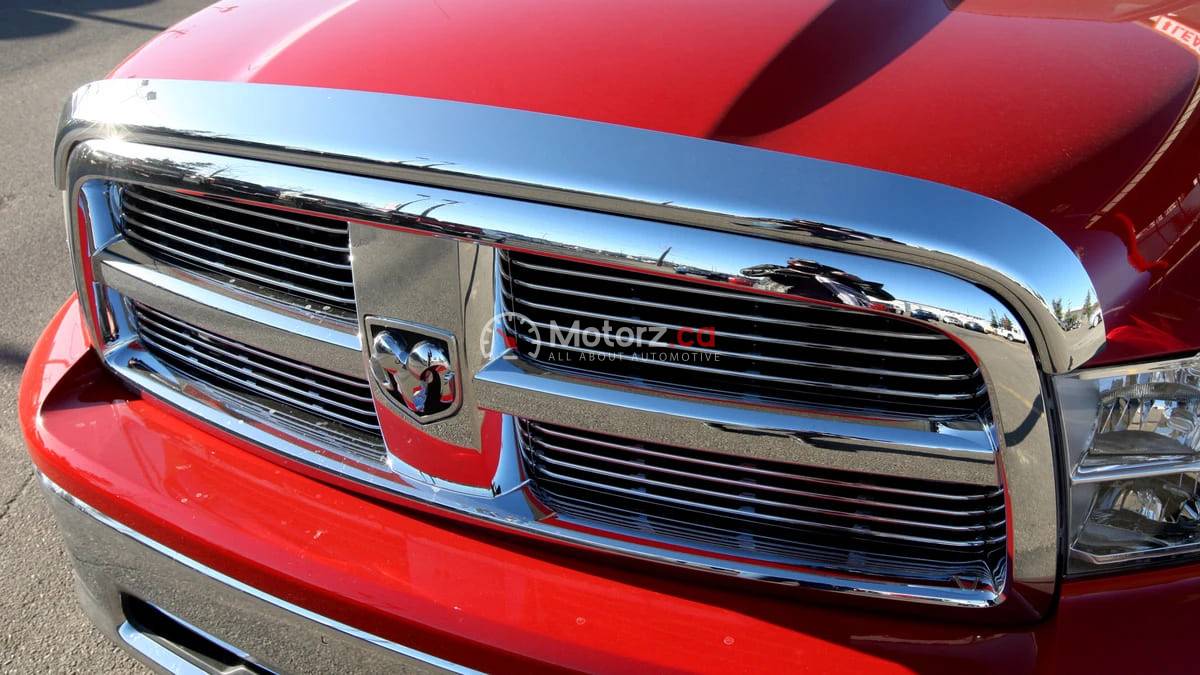
Many hood deflectors (bug guards) extend upward just enough to enter the “field of vision” of the radar sensors used for Adaptive Cruise Control and Automatic Emergency Braking. If the deflector is made of certain plastics or has metallic flakes in the paint, it can cause “ghosting,” where the car thinks there is an obstacle in front of it, leading to unexpected braking.
Camera Obstruction
Window deflectors can sometimes interfere with the wide-angle cameras used for 360-degree parking views or lane-keeping assistance. Even a few millimeters of plastic overhang can create a blind spot in the software’s stitch-line, causing the system to throw an error code or behave erratically during rain or low-light conditions.
The Quality Gap: Durability in Extreme Climates
At “The Corner Wrench,” we have seen a noticeable decline in the physical durability of aftermarket deflectors. As manufacturers look to cut costs, the materials used have changed.
UV Degradation and Brittleness
Many modern deflectors are made from thin acrylics that don’t hold up well under high UV exposure. After just one or two summers, they can become brittle and turn a hazy gray color. In the winter, this brittleness leads to cracking the moment a small stone kicks up from the road. Instead of protecting your hood, the shattered pieces of the deflector can actually scratch your paint.
Adhesive Failure
Gone are the days when most deflectors were “bolt-on.” Today, the majority rely on 3M double-sided tape. While high-quality tape is excellent, the combination of road salt, car wash chemicals, and extreme temperature fluctuations can cause the adhesive to fail. A deflector flying off a vehicle at 110 km/h is a massive safety hazard for the drivers behind you.
Wind Noise and Cabin Comfort
One of the main reasons people buy window deflectors is to enjoy fresh air during a rainstorm without getting wet. However, modern cabin acoustics are now so quiet that the noise created by these deflectors is more apparent than ever.
The “A-Pillar” Whistle
Modern A-pillars are shaped to guide wind quietly around the side mirrors. Adding a deflector often creates a high-pitched whistle or a low-frequency “buffeting” sound that can be maddening on long road trips. In quiet electric vehicles, this noise is even more pronounced because there is no engine sound to mask the wind turbulence.
Impact on HVAC Efficiency
By changing how air moves around the window frame, deflectors can inadvertently affect the “pressure equalization” of the cabin. This can make your climate control system work harder to maintain a consistent temperature, slightly increasing energy consumption.
How to Choose a Modern-Ready Deflector
If you still want the benefits of an air deflector, you need to be more selective than drivers were ten years ago.
Look for Low-Profile Designs: Choose deflectors that are “in-channel” for windows or “wrap-around” for hoods. These sit closer to the body and minimize turbulence.
Check for Sensor Compatibility: Manufacturers are starting to label products as “ADAV-Compatible” (Advanced Driver Assistance Systems). Always look for this certification.
Prioritize Material Quality: Look for “Impact-Resistant Polycarbonate” rather than simple “Acrylic.” It is more expensive but will survive stones and UV exposure for years.
The Professional Touch: If you are unsure about the install, have it done at a shop. A “Corner Wrench” pro can ensure the sensors are clear and the adhesive is applied in a way that won’t fail at highway speeds.
A Change in Purpose
Air deflectors aren’t “bad” today, but they are often “misunderstood.” In the quest for style or bug protection, many owners are accidentally compromising the highly tuned engineering of their 2026 vehicles. If you choose to add one, do so with an eye on aerodynamics and sensor safety.
A vehicle that breathes well, stays quiet, and “sees” the road clearly is a safer, more efficient machine. Make sure your accessories are helping, not hindering, that goal.