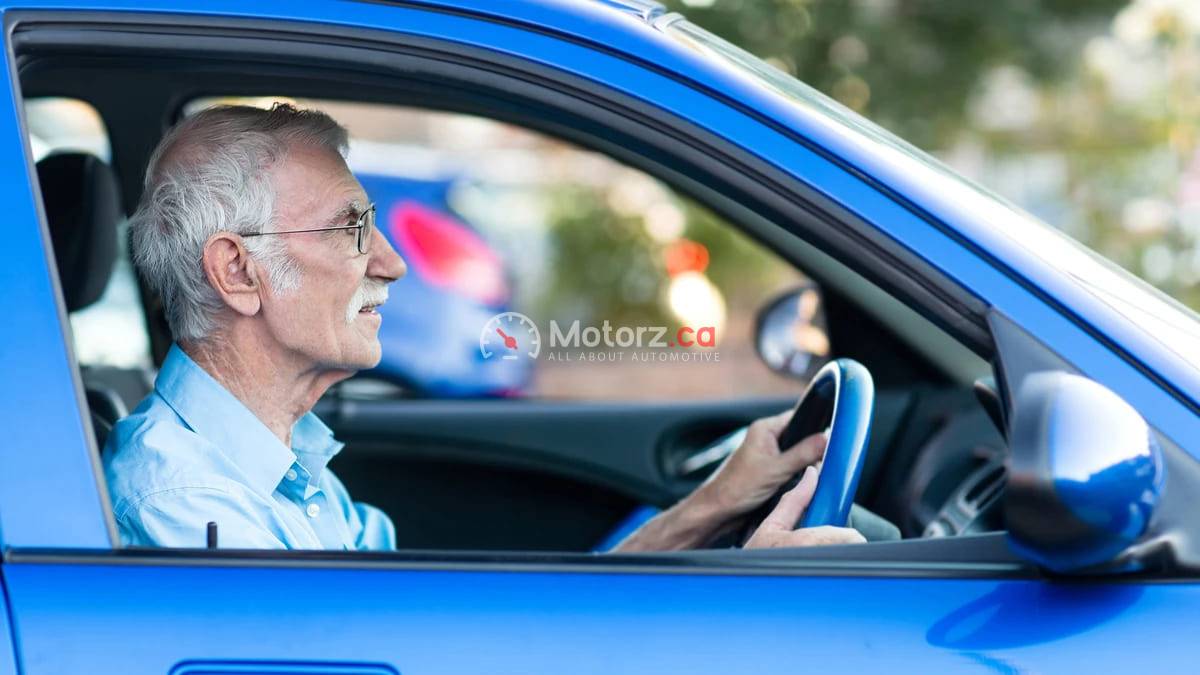
For many Warning Signs, the car key is more than just a tool for transportation; it is a symbol of independence, autonomy, and the freedom to engage with the world. Handing over those keys is often one of the most difficult transitions a person can make. However, as we age, changes in vision, reflexes, and cognitive processing can turn a lifelong safe driver into a risk to themselves and others.
In the world of Warning Signs we often see the physical evidence of these struggles—unexplained dents, scuffed tires from hitting curbs, or vehicles that haven’t been maintained because the owner is overwhelmed by the technology. In 2026, with busier roads and more complex driver-assistance systems, the stakes are higher than ever.
At Motorz, we believe in aging with dignity, which includes knowing when to transition from the driver’s seat to the passenger’s seat. Today, Lorraine Explains the ten critical red flags that indicate a senior may no longer be safe behind the wheel and how to approach this sensitive conversation with empathy and facts.
Unexplained Warning Signs, Scrapes, and “Garage Rash”
One of the first signs of declining driving skills isn’t found on the road, but in the driveway. If you notice new scratches on the bumpers, “curb rash” on the wheels, or dents on the sides of the car that the senior cannot explain, it is a major red flag.
Spatial Awareness Issues
These “mystery” marks often occur Warning Signs low-speed maneuvers, such as pulling into a garage or navigating a parking lot. As depth perception and peripheral vision decline, judging the distance between the car and a stationary object becomes incredibly difficult. If the garage door frame is scuffed or the mailbox is leaning, it is time to pay closer attention to their driving.
Getting Lost in Familiar Territory
We all take a wrong turn occasionally, but if a senior becomes disoriented while driving to the grocery store, the bank, or a friend’s house they have visited for decades, this is a sign of cognitive decline.
Memory and Navigation
Getting lost is often a symptom of early-stage dementia or Warning Signs. A confused driver is a dangerous driver because they may stop suddenly in traffic, make illegal U-turns, or become so anxious that they lose focus on the road entirely. In 2026, even with GPS technology, a driver must have the cognitive “map” to understand basic directions.
Slow Reaction Times and Delayed Braking
Driving requires the brain to process thousands of data points every minute. If a senior is slow to react when a light changes or fails to brake until they are uncomfortably close to the car in front, their processing speed may be compromised.
The “Close Call” Phenomenon
Have you noticed them having more “near-misses” lately? Perhaps they didn’t see a pedestrian until the last second or failed to react to a merging vehicle. Aging can slow the physical transition from the gas pedal to the brake, adding critical meters to the stopping distance.
Confusion at Intersections and Left Turns
Intersections are the most complex environments for any Warning Signs. They require judging the speed of oncoming traffic, watching for pedestrians, and interpreting multiple signals simultaneously.
The Danger of the Unprotected Left
Many seniors struggle specifically with left-hand turns across traffic. If you notice a senior hesitating excessively at a green light or, conversely, pulling out in front of oncoming traffic because they misjudged the gap, their “divided attention” skills may be failing. This is one of the leading causes of senior-related accidents at intersections.
Difficulty Maintaining Lane Integrity
A safe driver should be able to keep their vehicle centered in the lane. If you notice a senior “drifting” over the center line or hugging the shoulder consistently, it may indicate a vision problem or a lack of motor control.
Tiring Easily
Maintaining lane position requires constant, micro-adjustments of the steering wheel. For seniors with arthritis or reduced upper body strength, this can become physically exhausting. If they find themselves wandering into other lanes, they risk a side-swipe collision or a head-on accident.
Increased Aggression or Extreme Nervousness
Changes in driving personality are often Warning Signs. A senior who was once a calm driver but has become prone to “road rage,” or one who has become so terrified of driving that they go 20 kilometers per hour under the speed limit, is showing signs of distress.
Anxiety and Overstimulation
Extreme nervousness often stems from the driver feeling overwhelmed by the speed and volume of modern traffic. When a driver is anxious, they tend to fixate on the road directly in front of them, losing their ability to scan for hazards in the periphery.
Failure to Obey Traffic Signs and Signals
This is a critical safety violation. If a senior is Warning Signs through stop signs, failing to notice “One Way” signs, or misinterpreting traffic lights, the risk of a catastrophic T-bone collision is high.
Visual Processing Errors
Sometimes the senior sees the sign but their brain does not process its meaning quickly enough to act. In other cases, “tunnel vision” caused by aging prevents them from seeing signs located on the side of the road. If they are receiving more traffic tickets than usual, take it seriously.
Misjudging Gaps in Traffic
Whether merging onto a highway or changing lanes, a driver must be able to accurately judge the speed of other vehicles.
Depth Perception Decline
If a senior pulls out in front of a fast-moving vehicle, causing others to slam on their brakes, they likely have a decline in depth perception. Conversely, if they wait for an excessively long time for a gap that is clearly large enough, they can become a hazard to the drivers behind them who expect them to move.
Physical Limitations: Neck Stiffness and Leg Strength
Driving is a physical activity. If a senior cannot comfortably turn their head to check their blind spot because of neck stiffness, they are driving partially blind.
Pedal Confusion
Reduced feeling in the feet Warning Signs or weakened leg muscles can lead to “pedal confusion,” where the driver accidentally presses the gas instead of the brake. This is a common cause of accidents where cars drive into storefronts or through garage walls. If they struggle to walk to the car, they likely struggle to operate the pedals effectively.
Complaints from Other Drivers
If a senior mentions that “people are always honking at me lately” or that “drivers today are so rude,” it is often because the senior is unknowingly committing traffic errors.
Lack of Awareness
Seniors may be unaware that they are cutting people off, driving too slowly, or failing to signal. If other motorists are frequently reacting to their presence on the road with horns or angry gestures, the senior’s driving has likely become unpredictable and unsafe.
How to Have the Conversation
At Motorz, we know that talking to a parent or loved one about their driving is incredibly difficult. However, your silence could have tragic consequences.
Be Empathetic: Acknowledge that this is a major life change.
Focus on Facts: Use the ten signs above as objective evidence rather than making it a personal attack.
Offer Alternatives: Before you take the keys, have a plan for how they will get around—rideshare apps, family schedules, or senior shuttle services.
The “Corner Wrench” Approach: Suggest a professional driving assessment. Sometimes hearing the news from a neutral third party (like a doctor or a driving evaluator) is easier to accept than hearing it from a child.
Safe driving is a privilege, not a right. By recognizing these signs early, you can help the senior in your life transition to a new phase of mobility without a traumatic accident.