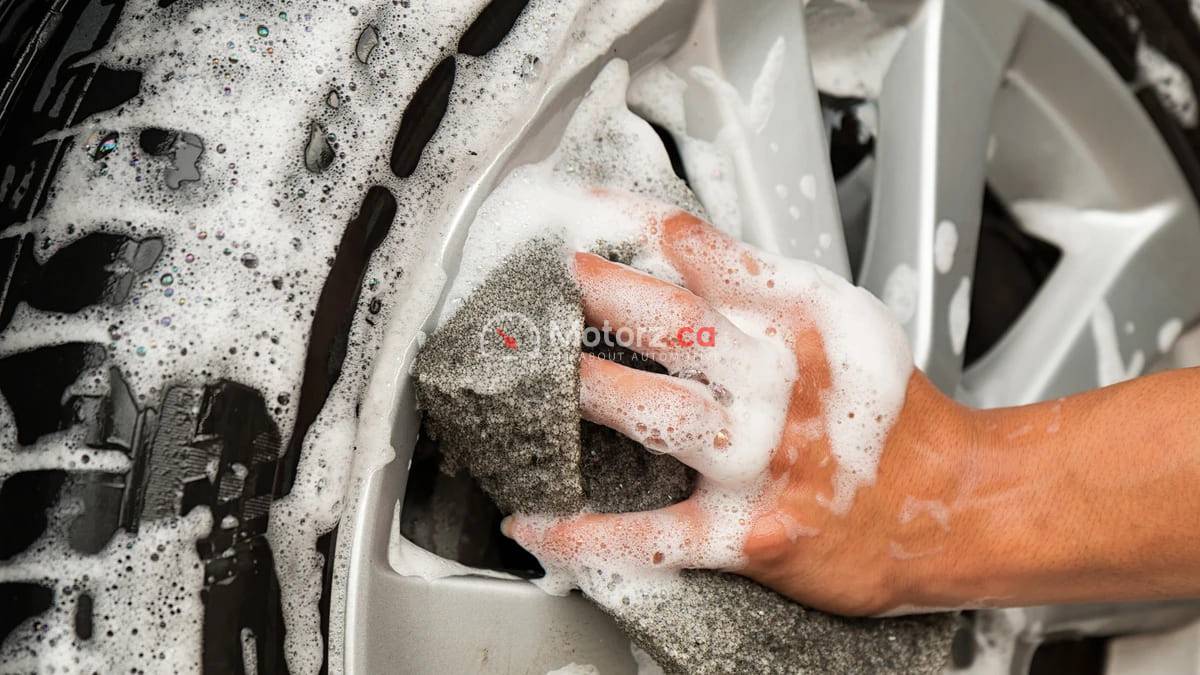
There is nothing quite like the look of a freshly detailed car Maintaining Your Alloy Wheels the afternoon sun. But as any enthusiast knows, the “shoes” make the outfit. A set of gleaming alloy wheels can transform a standard commuter into a head-turner, but they are also the most abused parts of your vehicle. Positioned inches from the asphalt, they are constantly bombarded by road salt, tar, high-temperature brake dust, and the occasional curb.
In the world of “The Corner Wrench,” we see alloy wheels as more than just jewelry. They are precision-engineered components that affect your car’s handling and heat dissipation. When they become pitted, corroded, or coated in black soot, it isn’t just an aesthetic problem—it is a maintenance failure. In 2026, with the rise of intricate multi-spoke designs and specialized finishes like “diamond-cut” and “matte powder-coat,” keeping that factory shine requires more than a quick spray at the local car wash.
Today, Motorz is providing the definitive roadmap for alloy wheel care. We are moving beyond surface-level cleaning to explore the science of ceramic protection, the proper way to combat brake dust, and the “Corner Wrench” secrets to long-term preservation.
The Enemy Within: Maintaining Your Alloy Wheels
To keep your wheels shining, you first need to know what you are fighting. The black “soot” that accumulates on your rims is not just dirt; it is a complex, aggressive byproduct of your car’s braking system.
The Chemistry of Brake Dust
Brake dust is a mixture of carbon fibers, metal filings, and adhesive polymers. When you press the brake pedal, the friction between the pads and rotors generates intense heat. This heat causes tiny, red-hot metallic shards to fly off and “embed” themselves into the clear coat of your alloy wheels.
The Damage: If left for too long, these metallic particles will oxidize (rust), creating those tiny black or orange specks that won’t wash away with soap. This leads to “pitting,” where the smooth surface of the alloy is permanently eaten away.
The Impact of Road Salt and Brine
For those of us navigating Canadian winters, road salt and liquid brine are constant threats. These chemicals act as electrolytes, accelerating the electrochemical reaction between the aluminum alloy and the air. Lorraine Explains that once the protective clear coat is breached—usually by a small rock chip—the salt gets underneath, causing “white rust” or bubbling that can ruin a wheel in a single season.
The Multi-Step Deep Clean: Doing It the Right Way
A bucket of soapy water is a good start, but it isn’t enough for a professional-grade finish. Follow this “Corner Wrench” protocol for a safe, deep clean.
The “Cool Down” Rule
Never wash your wheels while they are hot. Spraying cold water onto a hot brake rotor can cause it to warp. Furthermore, many wheel cleaners will “flash dry” on a hot rim, leaving behind streaks and chemical stains that are incredibly difficult to remove.
Choose the Right Cleaner
Not all alloy cleaners are created equal. In 2026, we recommend pH-neutral, color-changing cleaners. These products react specifically with the iron in brake dust, turning purple as they dissolve the metallic particles without harming the delicate clear coat or the finish on your brake calipers.
Pro Tip: Avoid “Acid-Base” cleaners. While they are fast, they can eventually dull the shine of your alloys and cause the lug nuts to rust.
Agitation and Brushing
Use a dedicated soft-bristle wheel brush or a microfiber “wheel woolie” to reach the “barrel”—the inner part of the rim. This is where most brake dust accumulates. By cleaning the barrel, you prevent that dark sludge from spinning outward onto the face of the wheel the next time you drive in the rain.
Protection Tech: Sealants vs. Ceramic Coatings
Once your wheels are clean and decontaminated, you need to “lock in” the shine. In 2026, we have moved past traditional waxes toward more durable chemical barriers.
Wheel Sealants
A dedicated wheel sealant is a high-temperature synthetic wax. Because wheels get much hotter than body panels, standard car wax will simply melt off within a few days. A sealant can last two to three months, making it much harder for brake dust to stick to the surface.
Ceramic Coatings: The Gold Standard
If you want the ultimate “Corner Wrench” setup, a professional-grade ceramic coating is the way to go. These are liquid polymers that chemically bond to the wheel’s surface, creating a permanent or semi-permanent layer of “glass.”
The Benefit: Ceramic coatings are hydrophobic (water-repellent). This means that road grime and brake dust can often be rinsed off with nothing but a pressure washer. A good ceramic coating can protect your alloys for up to two years, even through harsh winters.
The “Corner Wrench” Maintenance Schedule
Consistency is the secret to a “forever shine.” Use this schedule to keep your alloys in showroom condition.
Weekly: The Gentle Rinse
Rinse your wheels with water once a week to remove loose brake dust before it has a chance to heat-cycle and bond to the surface. If you have a ceramic coating, this is often all the maintenance you need.
Monthly: The Detail
Perform a full wash with a pH-neutral cleaner. Check your wheels for “curb rash” or rock chips. If you find a chip in the clear coat, touch it up immediately with a clear-coat pen to prevent salt from getting under the finish.
Seasonal: The Deep Decontamination
Twice a year (ideally when swapping between summer and winter tires), use an “iron remover” spray and a clay bar on the wheels. This removes the embedded particles that regular washing misses. This is also the perfect time to re-apply your sealant or inspect your ceramic coating.
A Shiny Wheel is a Healthy Wheel
Keeping the shine on your alloy wheels is about more than just vanity. It is about protecting your investment and ensuring that the most stressed parts of your vehicle remain in top condition. By understanding the chemistry of brake dust and utilizing 2026 protection technology like ceramic coatings, you can keep your car looking brand new for years.
Never wash hot wheels: Protect your rotors and prevent chemical spotting.
Use pH-neutral cleaners: Dissolve iron without damaging the alloy’s finish.
Clean the barrels: Don’t let hidden dust ruin your hard work.
Protect with ceramics: Spend less time washing and more time driving.
Inspect for damage: Catch chips and bubbles before they turn into corrosion.
At Motorz, we believe that every detail matters. Your alloys are the focal point of your car’s exterior—give them the “Corner Wrench” treatment they deserve, and they will keep you rolling in style.