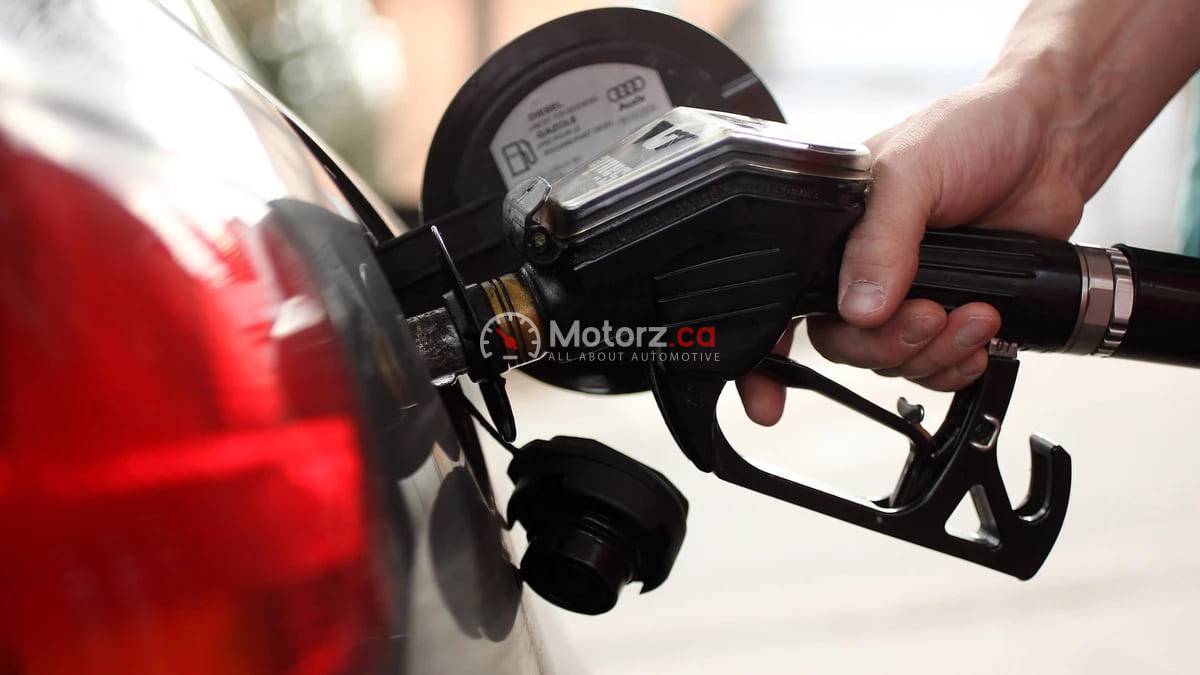
If you have pulled up to a fuel pump Hidden Cost of Corn, you have likely seen the small stickers declaring that the fuel contains up to 10 percent or 15 percent ethanol. For the average modern commuter car, this is perfectly fine. But for many other engines, ethanol is a silent saboteur. It is a renewable fuel source made from corn, designed to reduce emissions and lower the price at the pump, but it carries a chemical secret: it loves water, and it hates old rubber.
In the world of “The Corner Wrench,” we see the aftermath of ethanol damage every spring. We don’t just see clogged filters; we see corroded carburetors, melted fuel lines, and engines that simply refuse to wake up after a winter nap. In 2026, as fuel blends become more complex, understanding the “alcohol content” in your tank is vital for the survival of your equipment.
At Motorz, we want to help you navigate the fueling station with confidence. Today, Lorraine Explains the science of ethanol, why it is dangerous for certain vehicles, and exactly when you should spend the extra money to find an ethanol-free (clear gas) pump.
What Hidden Cost of Corn and Why is it in Gasoline?
Ethanol is an alcohol-based fuel distilled from plant materials, primarily corn. In North America, the most common blend is E10 (10 percent ethanol, 90 percent gasoline), though E15 and E85 are becoming more common in certain regions.
The Benefits of Ethanol
The primary reason we use ethanol is environmental and economic. It is an oxygenate, meaning it helps the fuel burn more completely, which can reduce carbon monoxide emissions. It also acts as an octane booster, allowing refineries to produce lower-quality base gasoline and “up-grade” it with ethanol to reach the 87 or 89 octane levels required by modern cars.
The Downside: Phase Separation
The biggest problem with ethanol is that it is Hidden Cost of Corn. This is a fancy way of saying it attracts water from the air. When enough moisture gets into your fuel tank, the ethanol and water bond together and sink to the bottom of the tank. This is called “phase separation.” If your fuel pickup straw sucks up this water-ethanol mix, your engine will stall, sputter, or sustain serious internal damage.
When to Avoid Ethanol: The “Must-Avoid” List
While your 2024 SUV is designed to handle E10 without breaking a sweat, other engines are essentially “allergic” to alcohol. If you own any of the following, you should avoid ethanol-blended fuels whenever possible.
Small Engines and Outdoor Power Equipment
Lawnmowers, chainsaws, leaf blowers, and snowblowers are the primary victims of ethanol. These engines often sit for weeks or months between uses. During that time, the ethanol in the small fuel tank absorbs moisture, leading to corrosion in the tiny passages of the carburetor.
The Result: A mower that won’t start in the spring or a chainsaw that “hunts” (revs up and down) because the fuel delivery is inconsistent.
Classic and Vintage Cars
If your car was built before the mid-1990s, its fuel system was likely not designed with ethanol in mind. Ethanol is a powerful solvent that can dissolve the natural rubber gaskets, seals, and fuel lines used in older vehicles.
The Result: Leaking fuel pumps, cracked hoses, and “varnish” buildup that clogs classic carburetors. For vintage owners, “Clear Gas” (ethanol-free) is the only way to protect your investment.
Boats and Marine Engines
Boats live in the worst possible environment for ethanol: on the water. Because marine fuel tanks are often vented to the humid lake or ocean air, the ethanol in the tank pulls in moisture at an accelerated rate.
The Result: Phase separation happens much faster in boats, leading to engine failure in open water—a dangerous situation for any captain.
The Winter Storage Trap
The most dangerous time to have ethanol in your tank is when the vehicle is not being driven. This is why we focus so heavily on fuel stabilization at “The Corner Wrench.”
Why “Storage” is the Enemy
When gasoline is used quickly (within two to three weeks), ethanol doesn’t have much time to cause trouble. But when a motorcycle is parked for the winter or a summer car is tucked away for six months, the fuel begins to degrade. The ethanol starts to break down and creates a gummy residue that can ruin fuel injectors and electric fuel pumps.
The Solution for Seasonal Vehicles
If you know you won’t be using a vehicle for more than 30 days, you have two choices:
Find Ethanol-Free Fuel: Fill the tank with pure 91 or 94 octane gasoline that is labeled “No Ethanol.”
Use a High-Quality Stabilizer: If you must use ethanol-blended gas, add a stabilizer specifically designed to combat ethanol issues. These chemicals help prevent phase separation and keep the fuel fresh for up to a year.
Ethanol and Fuel Economy: The Hidden Cost
Many drivers choose E10 or E15 because it is cheaper per liter. However, there is a catch that most people ignore: ethanol contains about 30 percent less energy than pure gasoline.
The Energy Gap
When you run a 10 percent or 15 percent ethanol blend, your engine has to burn more fuel to produce the same amount of power. Most drivers will see a 3 percent to 5 percent drop in fuel economy when using E10 compared to pure gasoline.
Insight: In some cases, the money you “save” at the pump by buying cheaper ethanol-blended gas is lost because you have to fill up more often. If the price difference between E10 and ethanol-free gas is small, the pure gas is often the better value.
Identifying Ethanol-Free Gas in 2026
Finding “pure” gas is becoming more difficult, but it is not impossible. In many regions, the highest octane “Premium” fuel (usually 91 or 94) is still ethanol-free, but you must read the labels.
Look for the “Clear” Label
At many specialized stations, ethanol-free fuel is sold as “Clear Gas” or “Rec 90.” It is often found at stations near lakes, marinas, or rural areas where farming and small-engine use is high.
Check the Pump Stickers
Regulations require stations to label pumps containing ethanol. If the pump says “Contains up to 10 percent Ethanol,” assume there is alcohol in all grades unless specifically stated otherwise for the Premium selection.
Making the Right Choice at the Pump
At Motorz, we believe in using the right tool for the job—and the right fuel for the engine. While ethanol has its place in modern, high-volume commuting, it is not a “one size fits all” solution.
Modern Daily Drivers: E10 is perfectly acceptable and cost-effective.
Lawn and Garden Tools: Always use ethanol-free fuel to avoid carburetor rebuilds.
Classic Cars: Stick to pure gasoline to protect rubber seals and vintage parts.
Boats: Avoid ethanol at all costs due to high moisture levels.
Winter Storage: Never store a vehicle with ethanol-blended gas unless it is treated with a professional stabilizer.
Fueling your car shouldn’t be a guessing game. By understanding the chemical properties of ethanol, you can avoid the “click-click-sputter” of a damaged engine and keep your equipment running smoothly for years to come.